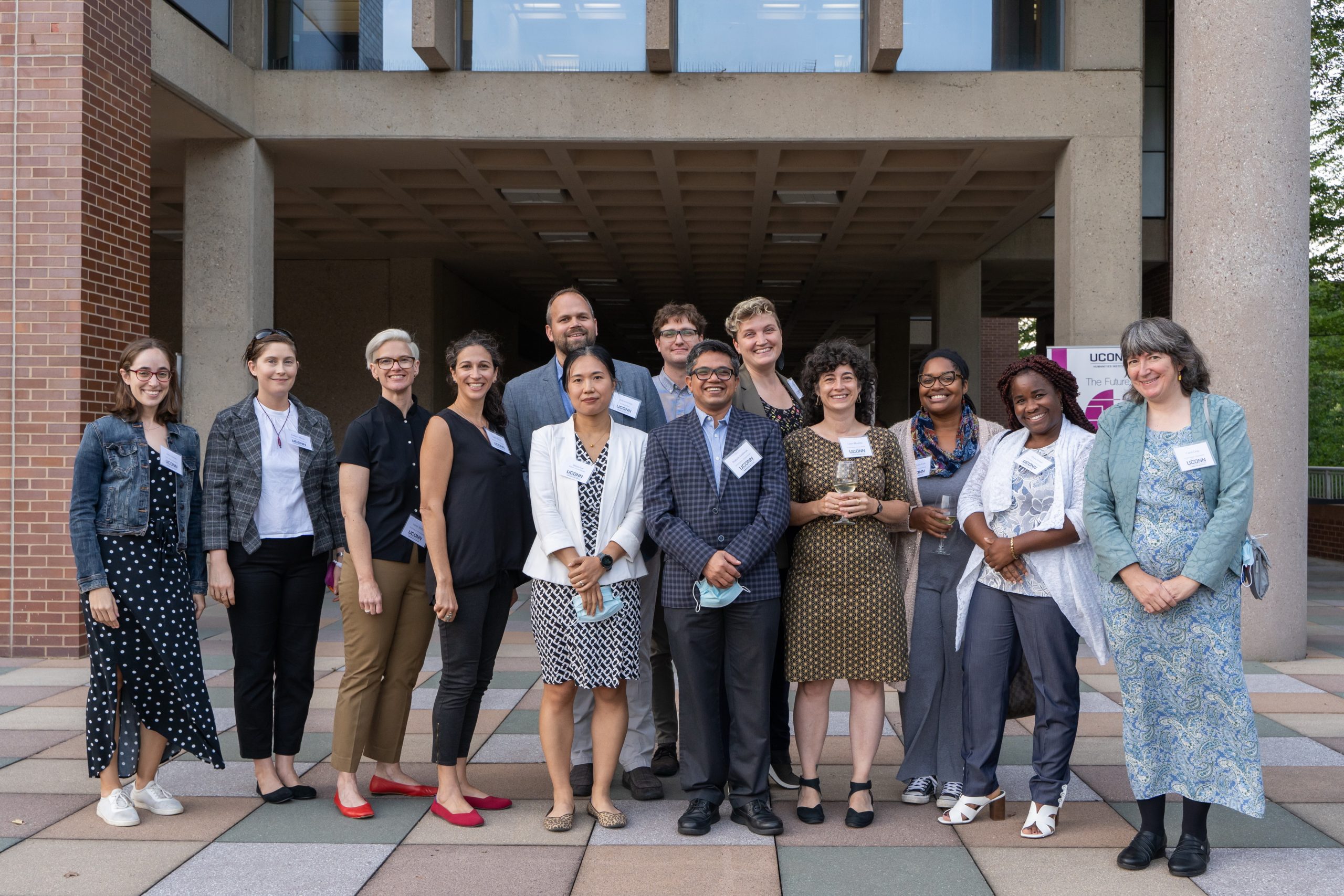
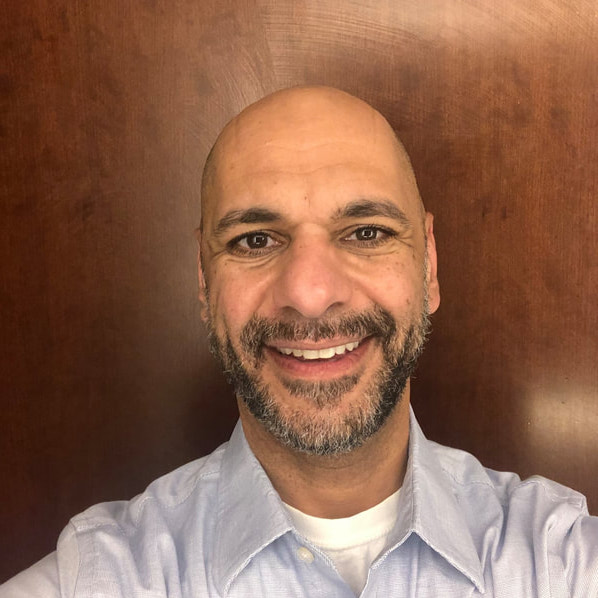
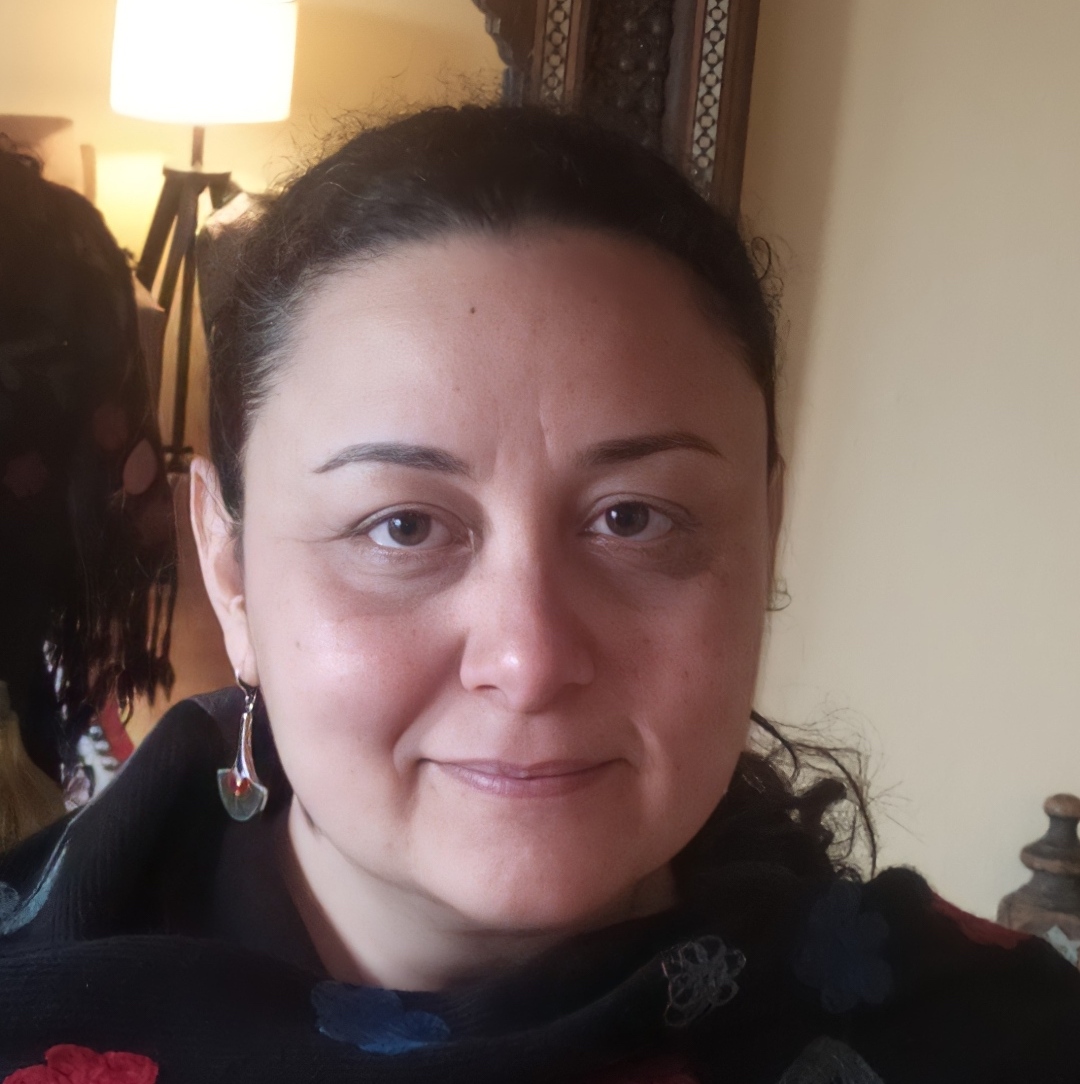
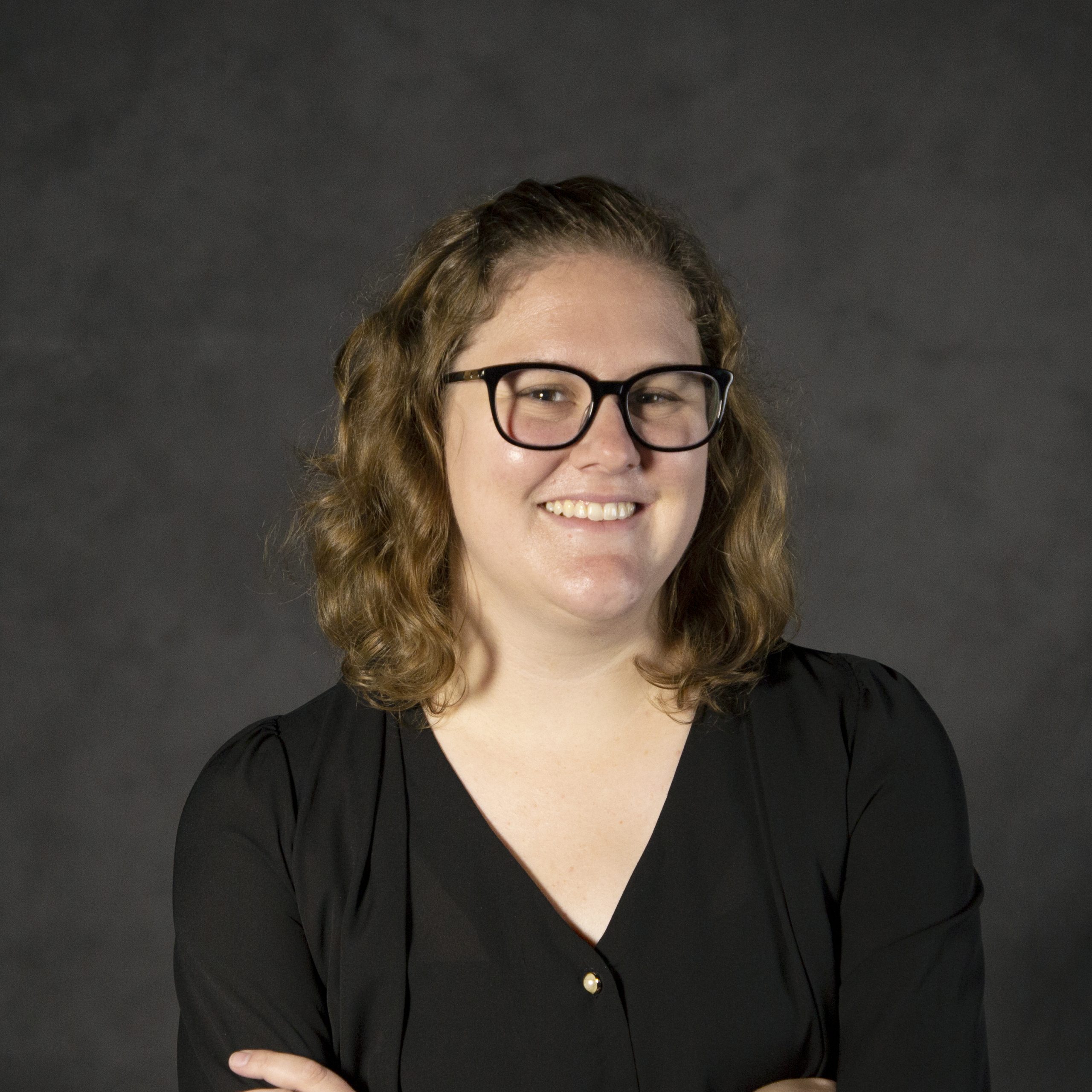
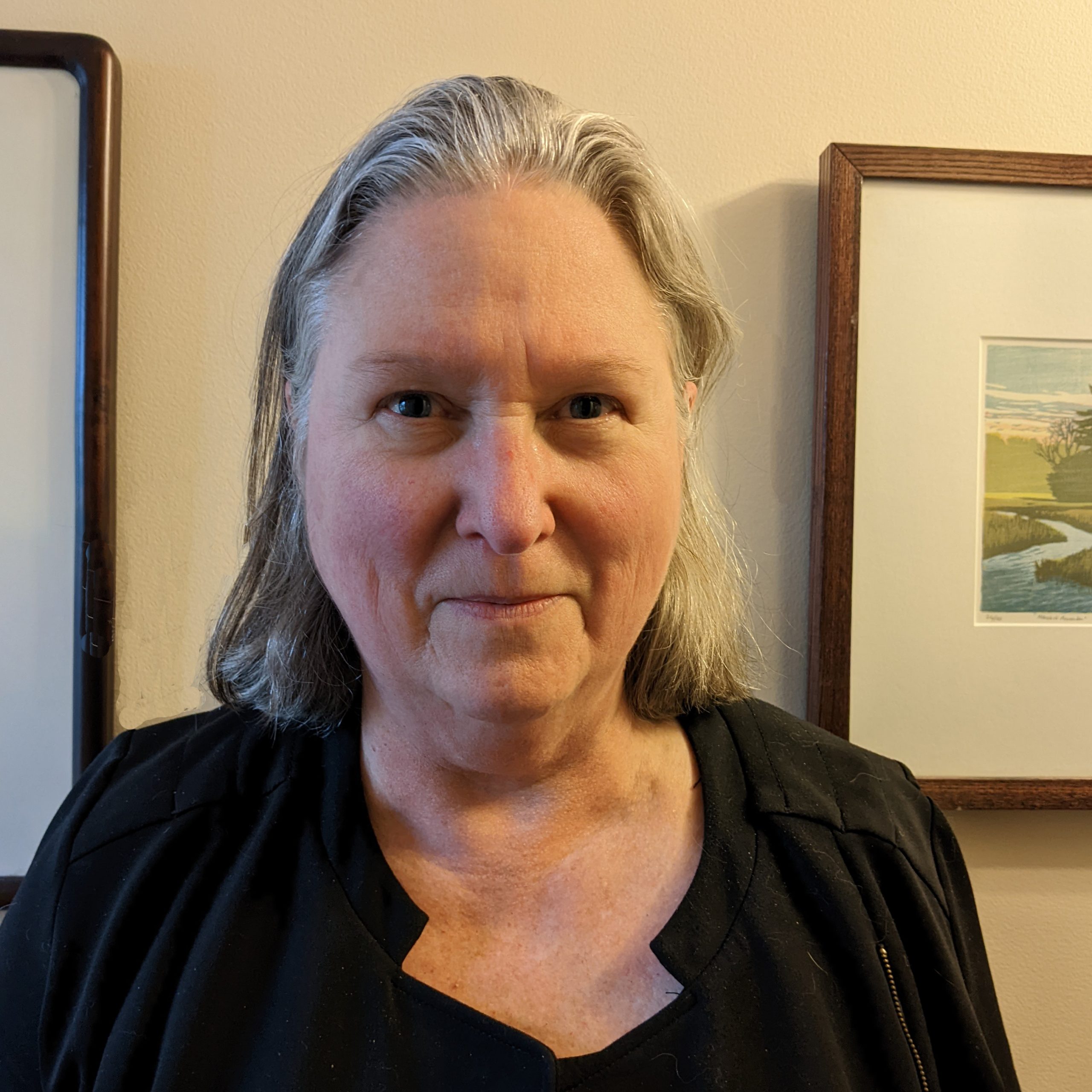
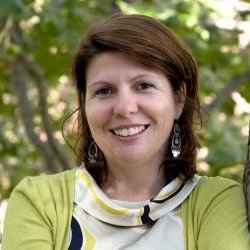
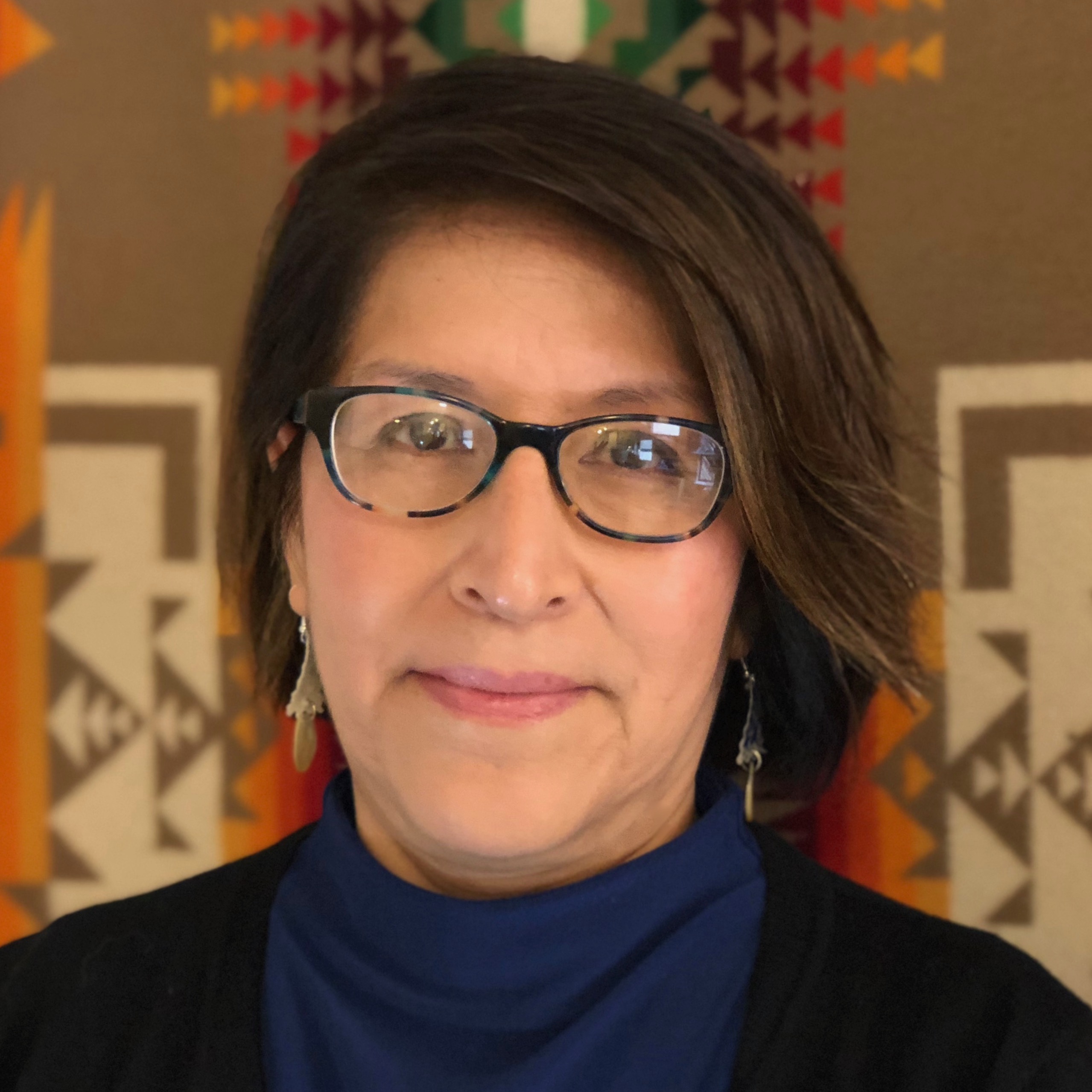
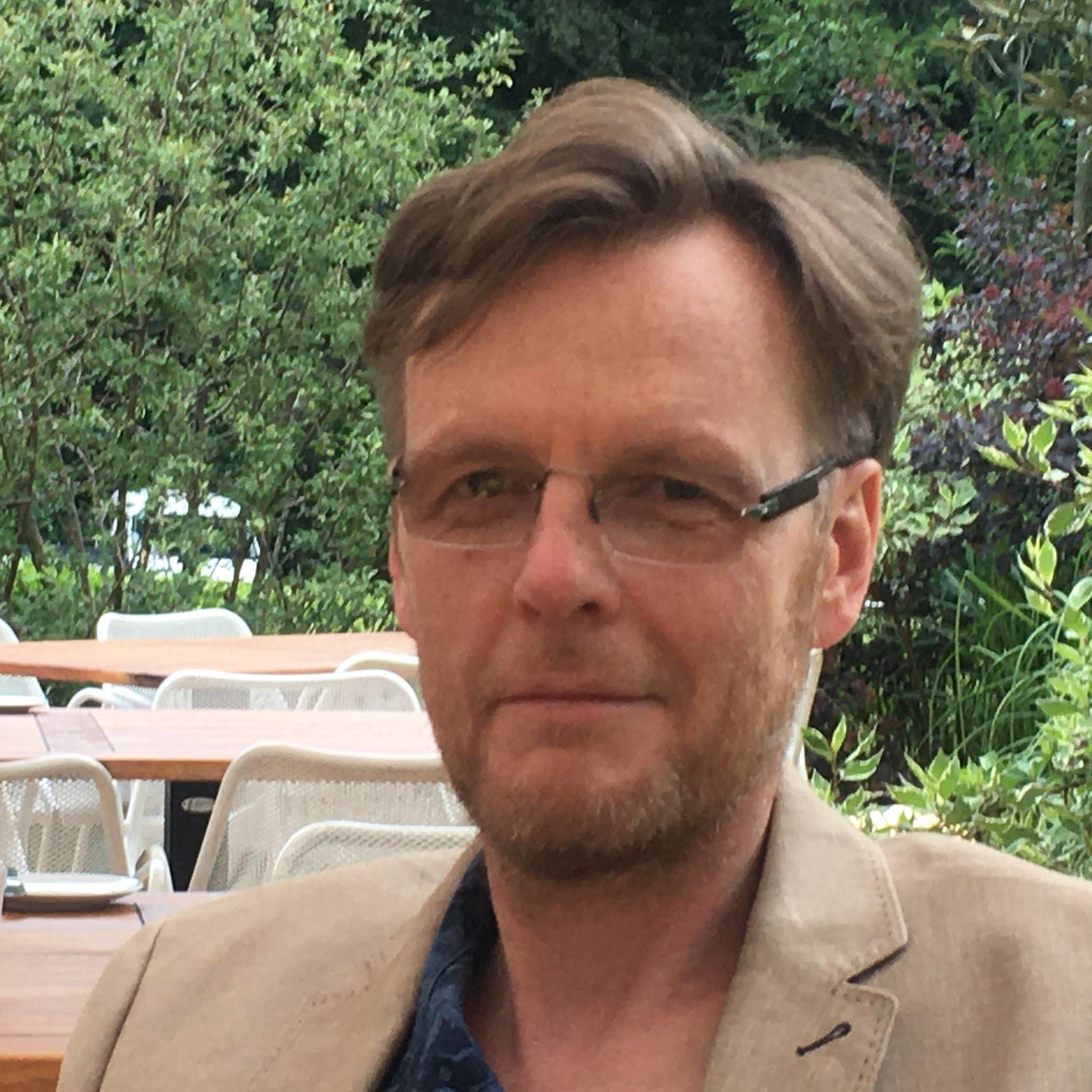
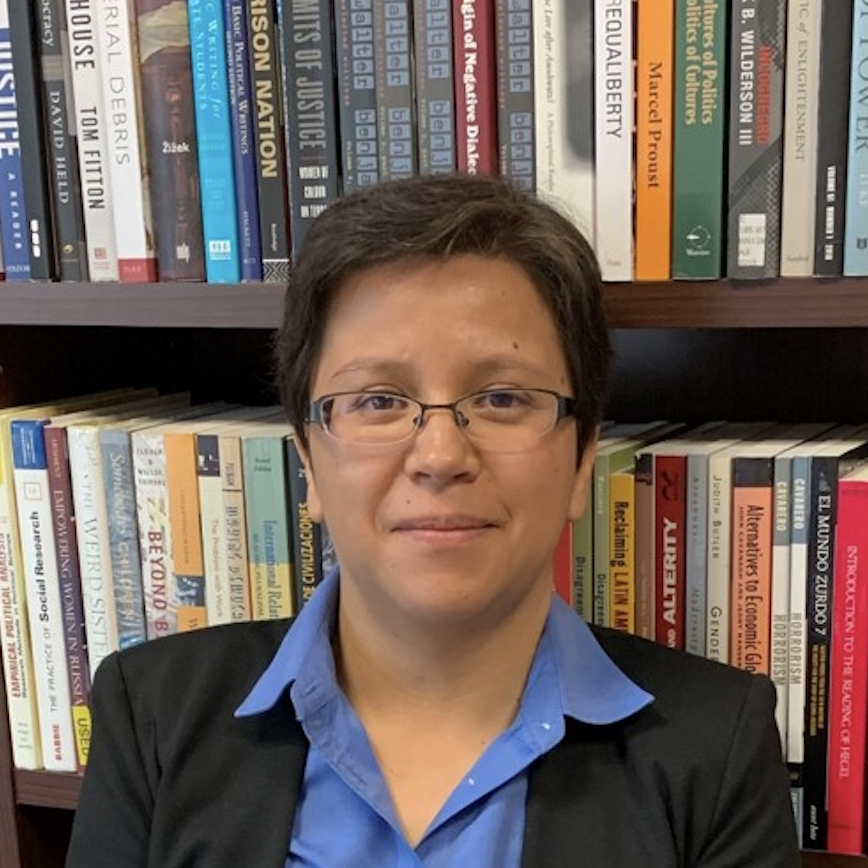
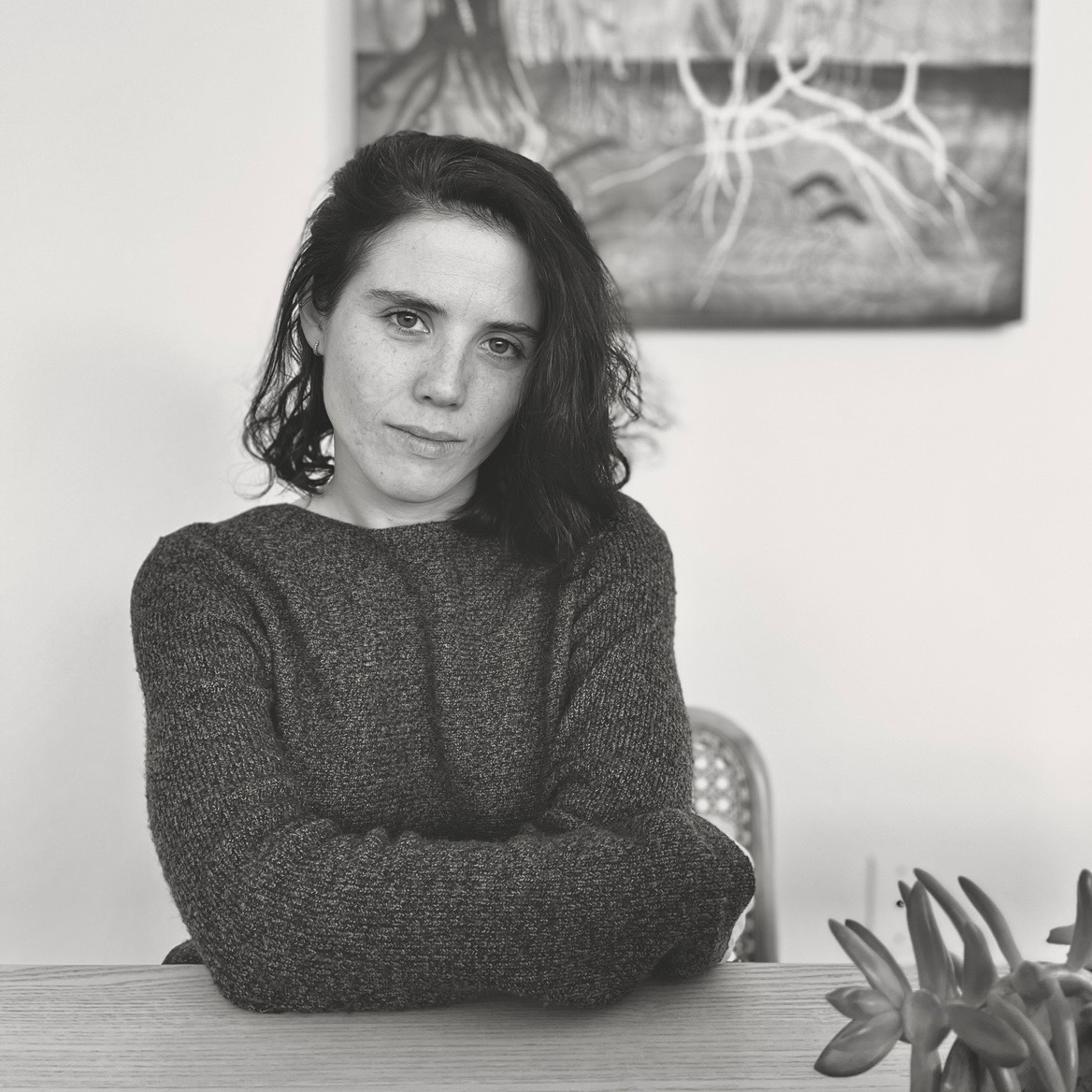
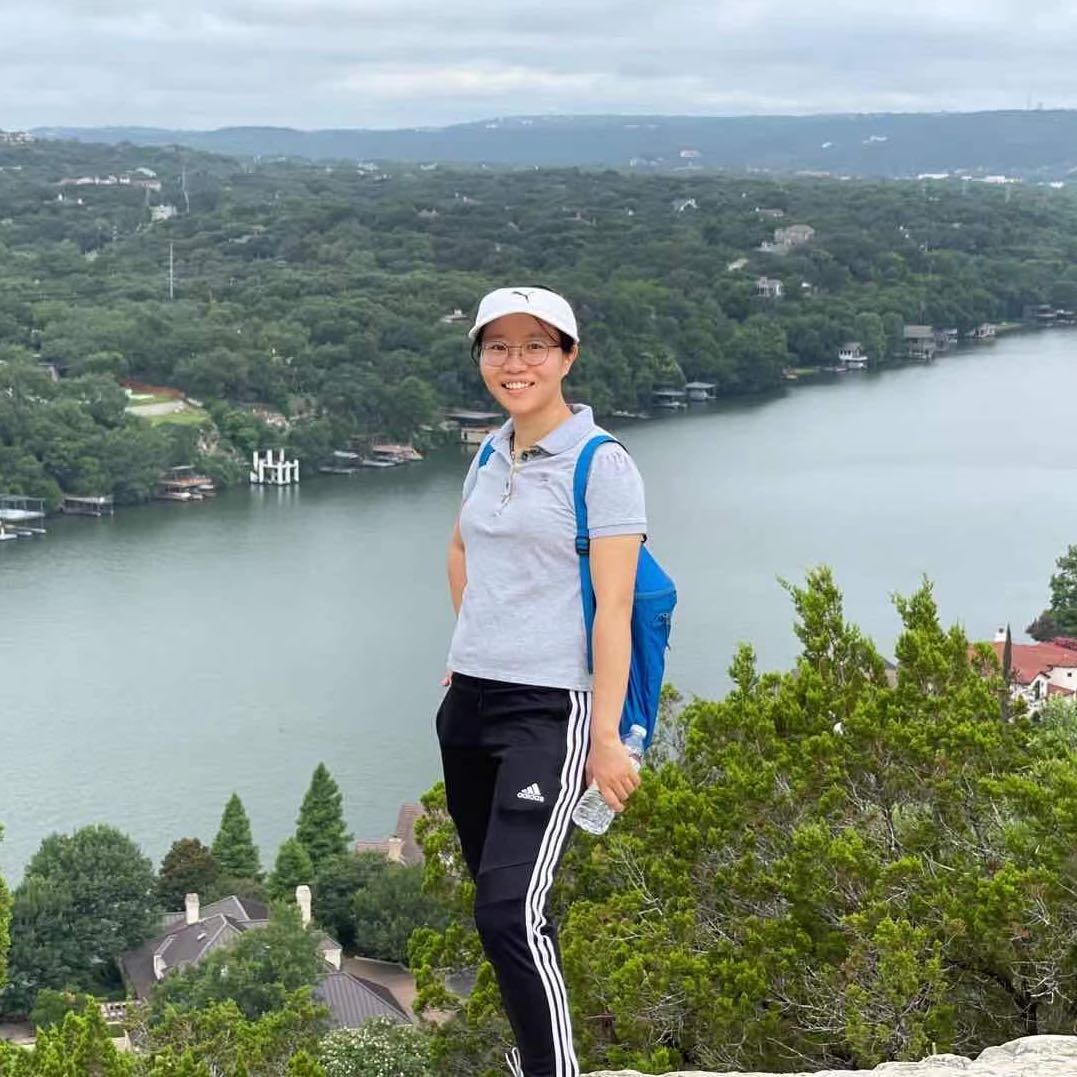
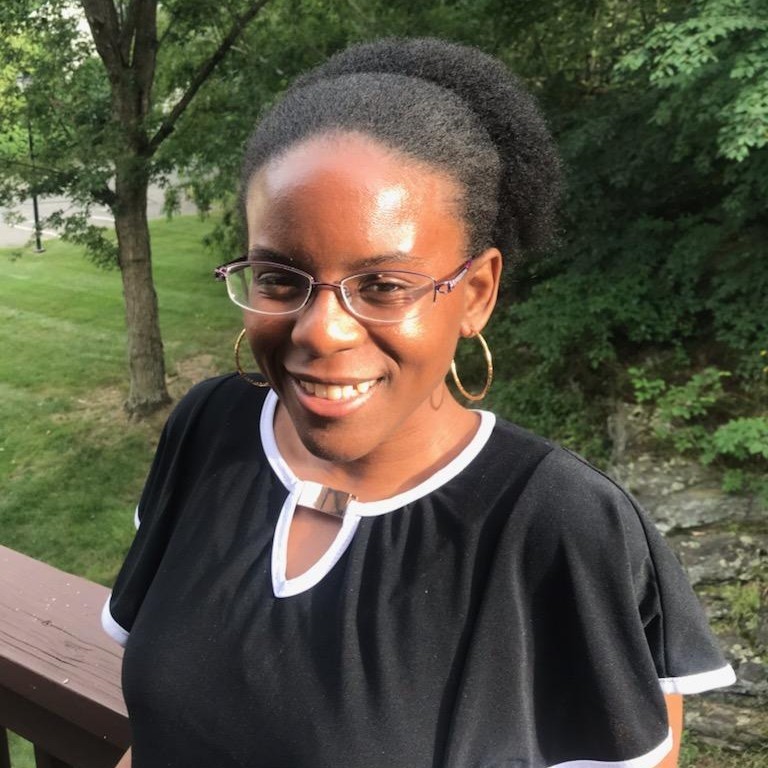
UCHI wishes to extend congratulations to this year’s graduate research scholars—Erik Freeman, Carol Gray, Drew Johnson, and Anna Ziering. All four of the 2021–2022 graduate fellows are headed off to postdoctoral fellowships or tenure-track jobs this fall.
Erik Freeman (History) will be assistant professor of American History at Snow College in Ephraim, UT. He will be defending his dissertation, “The Mormon International: Transnational Communitarian Politics and the Church of Jesus Christ of Latter-day Saints 1830-1890,” this summmer. His committee members are Christopher Clark (advisor), Manisha Sinha, and Sylvia Schafer (Nina Dayton and Segio Luzzato are readers).
Carol Gray (Political Science) was awarded the Mary Miles Bibb Post-Doctoral Teaching Fellowship at Framingham State University (FSU) in Framingham, Massachusetts. The two-year fellowship, at the rank of Assistant Professor, begins in Fall 2022, and focuses on courses in American Politics and Pre-Law. The Fellowship is named for Mary Miles Bibb who was the first Black woman graduate of FSU in 1843 who went on to teach in Boston and Philadelphia. Gray will be defending her dissertation, “Law as a Site of Struggle for Human Rights,” a case study about Egypt and human rights NGOs, in June. Her committee members are Jeremy Pressman (advisor), Cyrus Zirakzadeh, Thomas Hayes (Jennifer Sterling-Folker and Bruce Rutherford are readers.)
Drew Johnson (Philosophy) will be starting a two-year research postdoc in August, associated with the ERC-funded GoodAttention project at the University of Oslo. He will be working on Subproject 1 of the Descriptive Strand of the project, on identifying natural norms for attention. Drew recently defended his dissertation, “A Hybrid Theory of Ethical Thought and Discourse.” His committee members are Dorit Bar-On (advisor), Michael Lynch, Paul Bloomfield, and William Lycan.
Anna Ziering (English) has accepted a position as assistant professor of Women’s and Gender Studies (affiliated with African American Studies) at Oglethorpe University. She recently defended her dissertation, “Dirty Forms: Masochism, Race, and World-Making in U.S. Literature and Culture,” and her committee members are Chris Vials (advisor), Greg Pierrot, and fellow 2021–22 UCHI fellow Micki McElya.
Please join us in congratulating Erik, Carol, Drew, and Anna!!




 Drive (2011) is a movie about boundaries and boundaries blurred—between day and night, between the criminal world and the world of bystanders, between moments of tenderness and—fair warning—moments of intense violence.
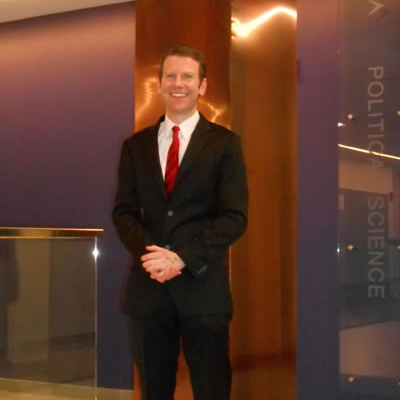 Who is Stephen Dyson? Stephen Dyson is Professor of Political Science at the University of Connecticut. He received his Ph.D. from Washington State University in 2004. His scholarly work focuses on representations of politics and international relations in popular culture, particularly science fiction, and on elite decision making in foreign policy. He teaches classes on politics and popular culture, international relations, political leadership, and the history of nuclear weapons.
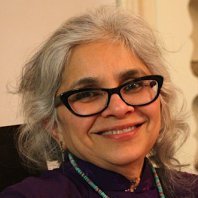 Who is Manisha Desai? Manisha Desai is Professor of Sociology and Asian and Asian American Studies at the University of Connecticut. Committed to decolonizing knowledge and social justice, her research and teaching interests include Gender and Globalization, Transnational Feminisms and women’s movements, Human Rights movements, and Contemporary Indian Society. Currently, she’s working on a book manuscript on the Changing Contours of the Women’s Movement in India. Based on nine months of ethnographic research, funded by the American Institute of India Studies Senior Fellowship, she examines the new articulations of women’s activism with Dalit struggles, Anti-Communalism, and the rural and urban crises of neoliberal policies for the marginalized. Her forthcoming publication with Rianka Roy, Krantijyoti Gyanjyoti Savitribai: The Light of Revolution and Knowledge is the start of a new project on what she calls “the second decolonial moment,” in the Global North and South, to bring the work of 19th century Dalit theorist Savitribai Phule and her collaborators in the Satya Shodhak Samaj (the Society of Truth Seekers) to a larger audience.