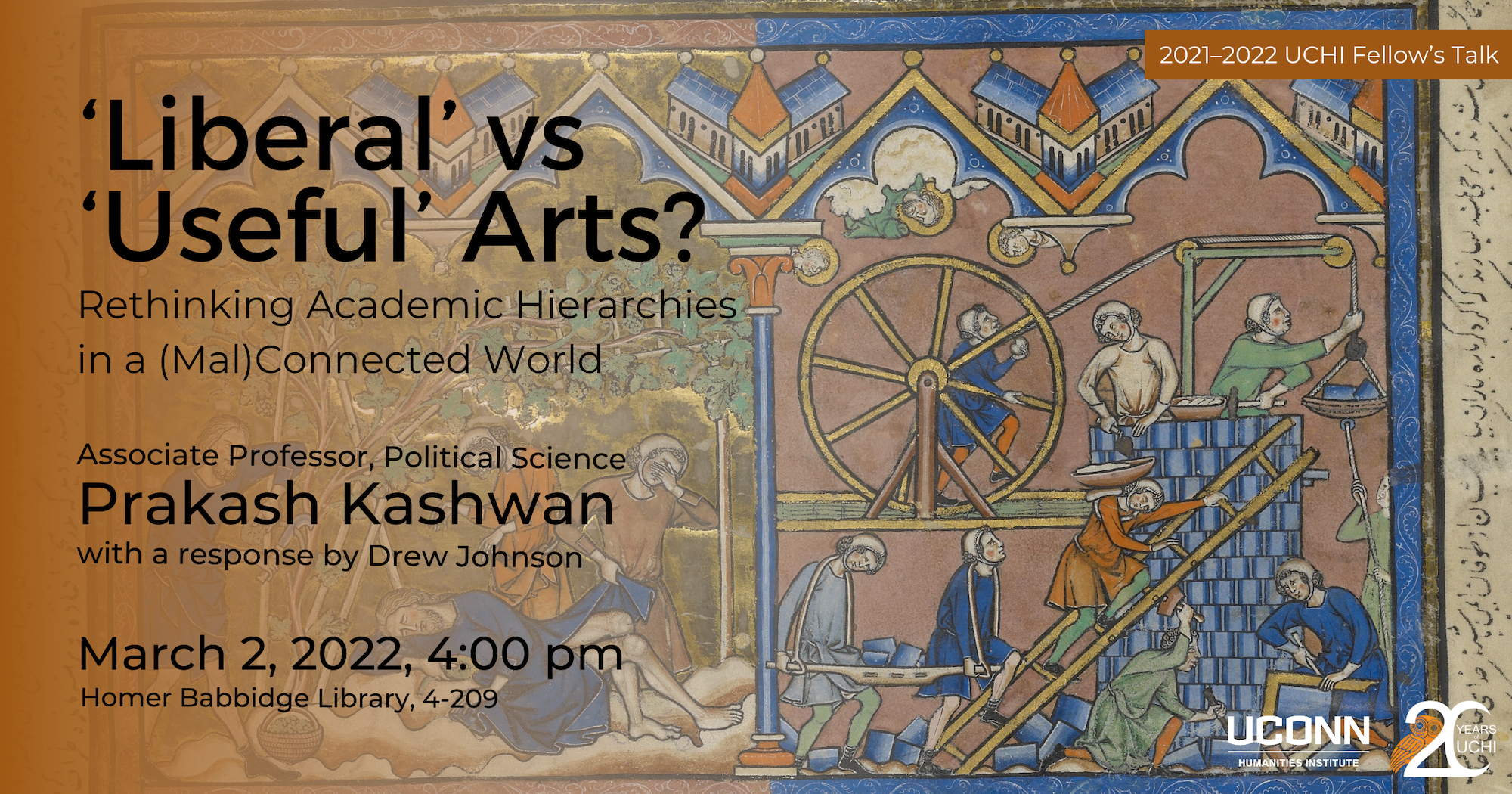
“Liberal” vs “Useful” Arts? Rethinking Academic Hierarchies in a (Mal)Connected World
Prakash Kashwan (Associate Professor, Political Science, UConn)
with a response by Drew Johnson (Philosophy, UConn)
Wednesday, March 2, 2022, 4:00pm, HBL 4-209
Add to Google calendar Add to Office 365 calendar Add to other calendar
The event will also be livestreamed with automated captioning.
Contemporary calls for the fusion of ‘humanities’ and ‘sciences’ stand atop a long history of a hierarchical world view that separated the intellectual pursuits of liberal arts from the less prestigious fields of mechanical or ‘useful’ arts. While liberal arts were believed to be the domain of ‘free men,’ useful arts were meant for ‘slaves and serfs.’ Prakash Kashwan asks how living legacies of such a hierarchal view of academia might haunt the pursuit of ‘interdisciplinary’ research, which itself has been come under heavy criticism from radical social thinkers and philosophers. Kashwan asks what such a-priori characterization of any intellectual pursuit means for our collective ability to contribute to realizing justice outcomes in a mal-connected world. He engages the audience in centering human agency and ingenuity in diverse intellectual pursuits aimed at smashing the status quo toward a liberating and transformative world making.
Prakash Kashwan is an Associate Professor of Political Science and Co-Director of the Research Program on Economic and Social Rights, Human Rights Institute, University of Connecticut, Storrs. He is the author of the widely reviewed book Democracy in the Woods: Environmental Conservation and Social Justice in India, Tanzania, and Mexico (Oxford University Press, 2017), editor of Climate Justice in India (Cambridge University Press, July 2022), co-editor of the journal Environmental Politics, and the co-founder of Climate Justice Network. Dr. Kashwan is also the vice-chair of the Environmental Studies Section of the International Studies Association (ISA), and serves on the editorial advisory boards of Earth Systems Governance, Progress in Development Studies, Sage Open, and Humanities & Social Sciences Communications. His public-facing writings have appeared in popular venues, such as The Conversation, the Guardian, Al-Jazeera and the Washington Post.
Drew Johnson is a Philosophy PhD candidate at the University of Connecticut. His dissertation project, “A Hybrid Theory of Ethical Thought and Discourse,” examines the nature and function of ethical thought and discourse. Drew has published on skepticism, deep disagreement and intellectual humility, and on self-knowledge (including co-authored work with Dorit Bar-On). During the Summer of 2019, he was the recipient of the Ruth Millikan Graduate Research Fellowship, awarded by the UConn Philosophy Department. Drew is currently a Dissertation Scholar at the University of Connecticut Humanities Institute.
Access note
If you require accommodation to attend this event, please contact us at uchi@uconn.edu or by phone (860) 486-9057. We can request ASL interpretation, computer-assisted real time transcription, and other accommodations offered by the Center for Students with Disabilities.
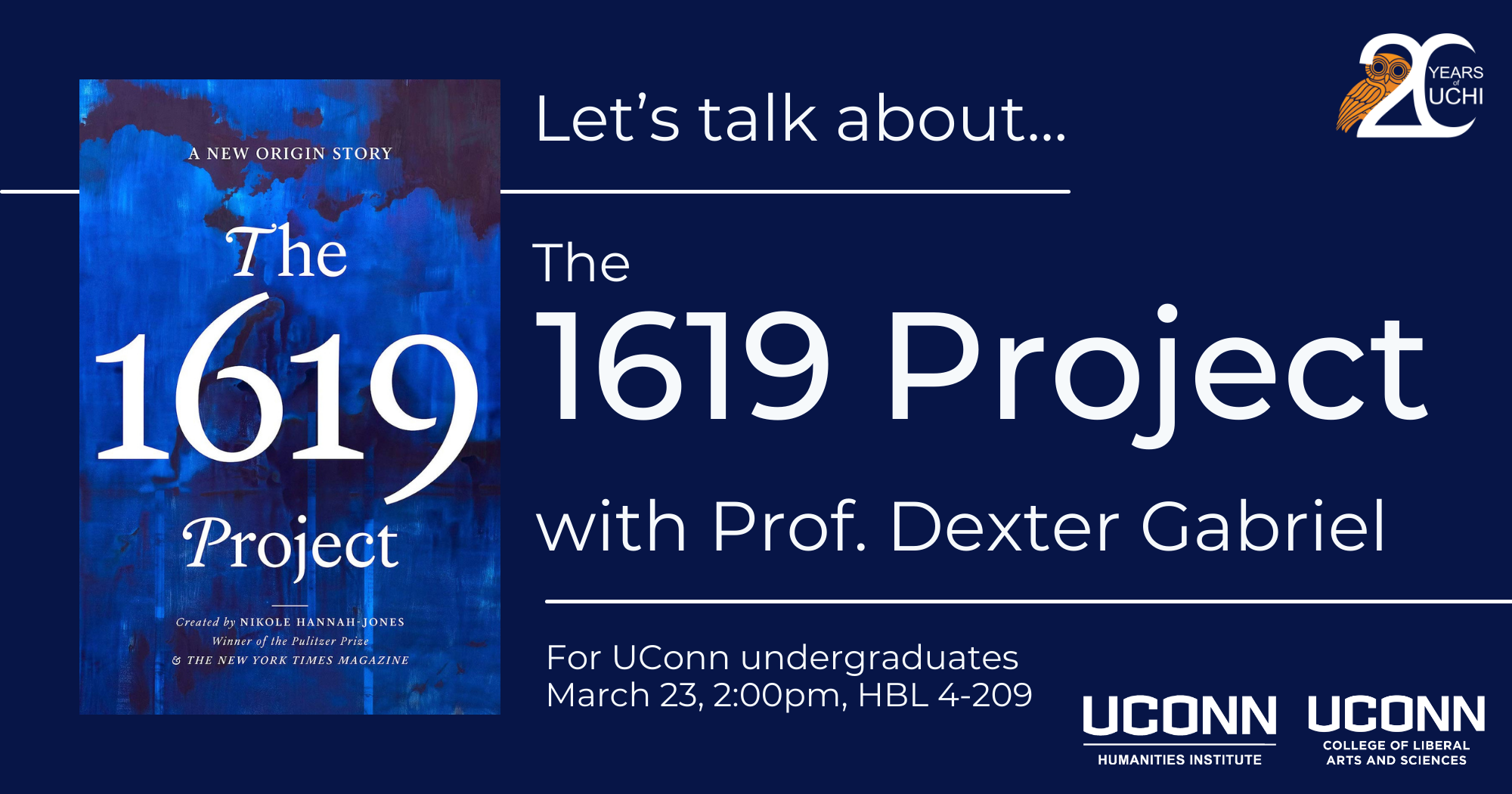
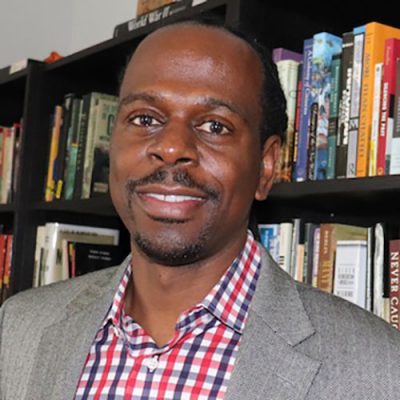 2018–2019 Faculty Fellow Dr. Dexter Gabriel is Assistant Professor of History at UConn. He earned his B.A. in history from Texas State University-San Marcos, an M.A. in history also from Texas State University-San Marcos, and his Ph.D. in history from Stony Brook University-New York. His research interests include the history of bondage, resistance, and freedom in the Black Atlantic, as well as interdisciplinary approaches to slavery within popular culture and media. His current research explores British Emancipation in the Anglo-Caribbean and its impact on abolitionist strategies in nineteenth-century North America. His work has been translated into the social arena through panel discussions, lectures, articles, and interviews as diverse as the Federal Reserve Bank of Virginia to Voice of America, BBC America, and elsewhere
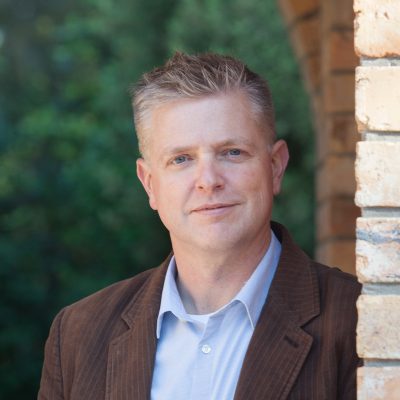 2019–2020 Visiting Fellow Joseph Ulatowski is Senior Lecturer in Philosophy, and Director of the Experimental Philosophy Research Group at the University of Waikato. His research focus is the nature and value of truth, the problem of action individuation, self-narratives, and practical challenges that arise from these theoretical areas. His approach to these matters is pluralistic, employing both traditional philosophical methods and empirical methods.
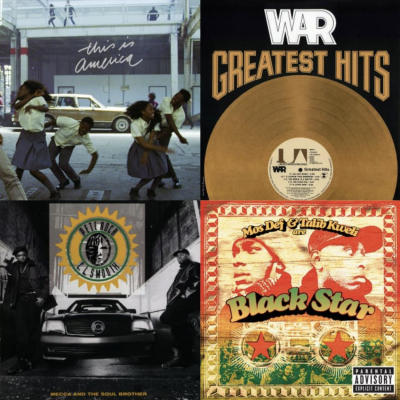 UConn Professor Jeffrey O.G. Ogbar’s
  Who is Amanda Douberley? Amanda Douberley is Assistant Curator/Academic Liaison at the William Benton Museum of Art, where she is responsible for connecting the Benton’s collections and exhibitions with teaching in departments across the university. She has curated numerous exhibitions at the museum, often in collaboration with faculty and other campus partners. Amanda holds a Ph.D. from the University of Texas at Austin with a focus on 20th-century American sculpture and public art. Before coming to UConn in 2018, she taught in the Department of Art History, Theory, and Criticism at the School of the Art Institute of Chicago.
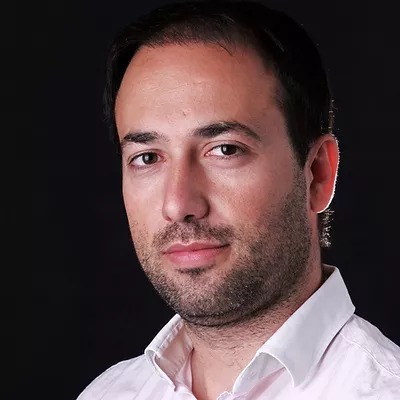 2016–2017 Faculty Fellow Dimitris Xygalatas is Associate Professor of Anthropology at UConn. His interests include ritual, sports, cooperation, the interaction between cognition and culture, and the impact of cultural practices on psychophysiological wellbeing. His research combines laboratory and field methods to study human interaction in real-life settings. He has conducted several years of fieldwork in Southern Europe and Mauritius. Before coming to UConn, he held positions at the universities of Princeton, Aarhus, and Masaryk, where he served as Director of the Laboratory for the Experimental Research of Religion (LEVYNA). At UConn, he directs the
 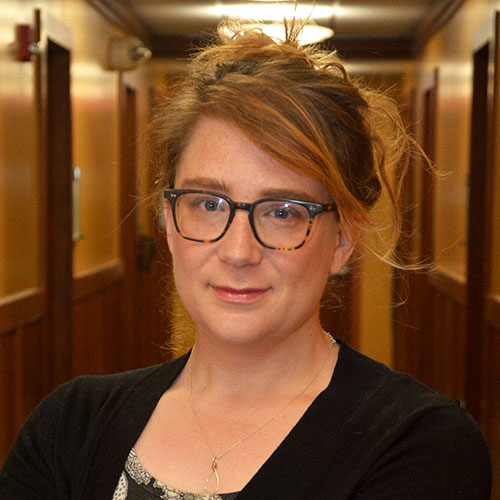 2018–2019 Visiting Fellow Katherine Rye Jewell is Associate Professor of History at Fitchburg State University in Massachusetts. She is the author of